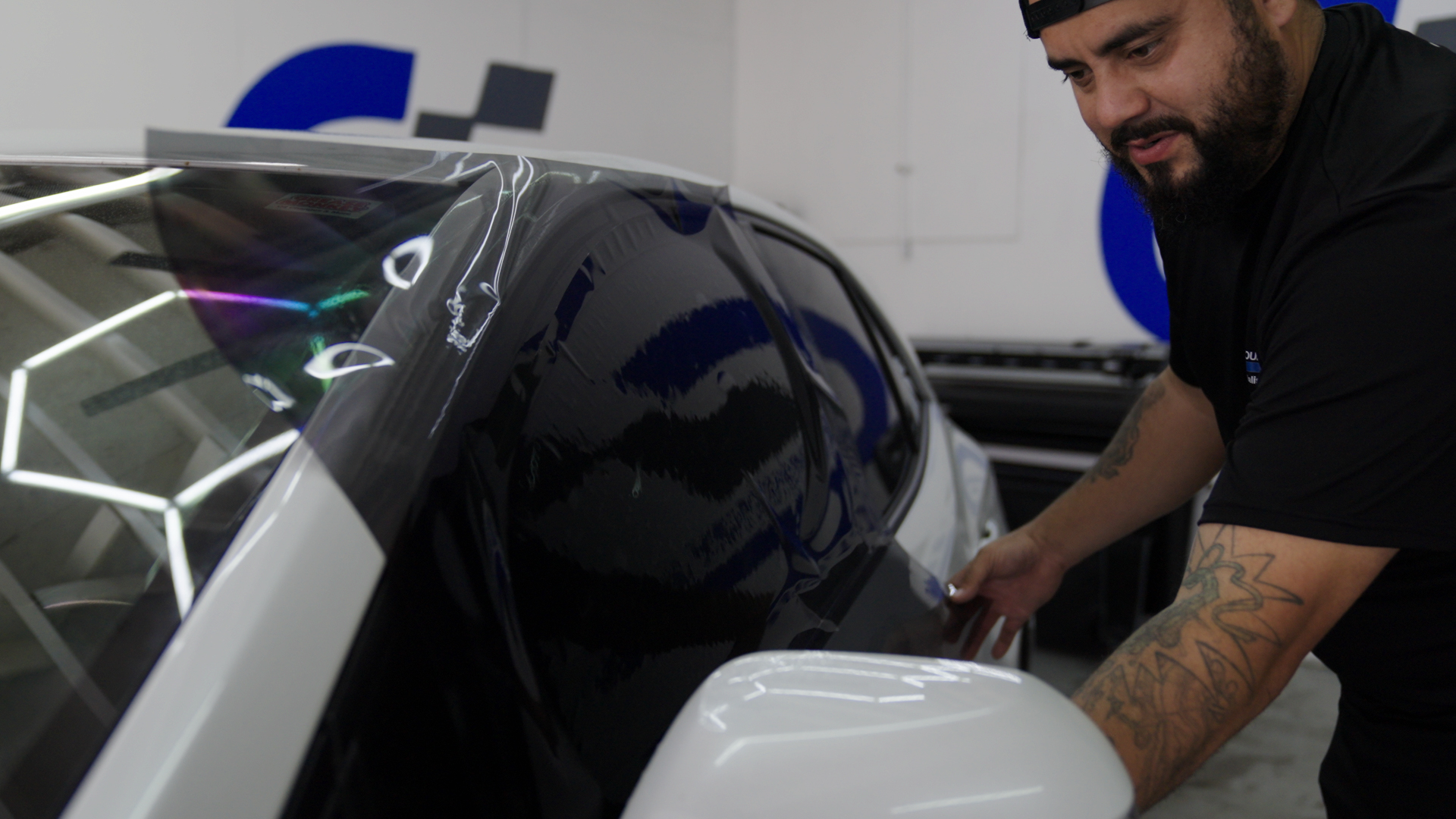
The best automotive window tint for a Corpus Christi driver is not simply the darkest film available. A sound choice balances Texas legal limits, measured heat and glare performance, privacy and visibility, and the quality of the installation and warranty.
South Texas sun, outdoor parking, and coastal glare make tint a practical comfort upgrade, but tint has limits. Film can reduce solar load, glare, and UV exposure, but it cannot make a parked vehicle immune to summer heat or make every dark shade legal for every window.
What Automotive Window Tint Can - and Cannot - Do in Corpus Christi
Automotive window film changes how sunlight passes through and interacts with the glass. Depending on the product, it can reduce visible glare, reject part of the sun’s energy, block most ultraviolet radiation, add privacy, and change the vehicle’s appearance. Those benefits can make daily driving more comfortable and help limit repeated sun exposure to interior materials.
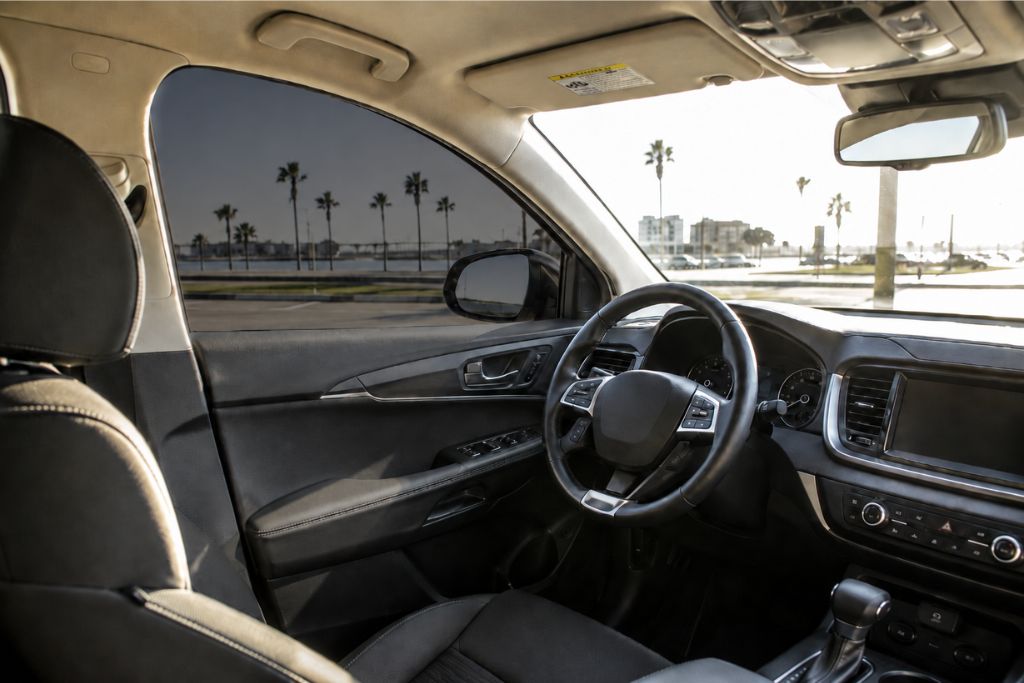
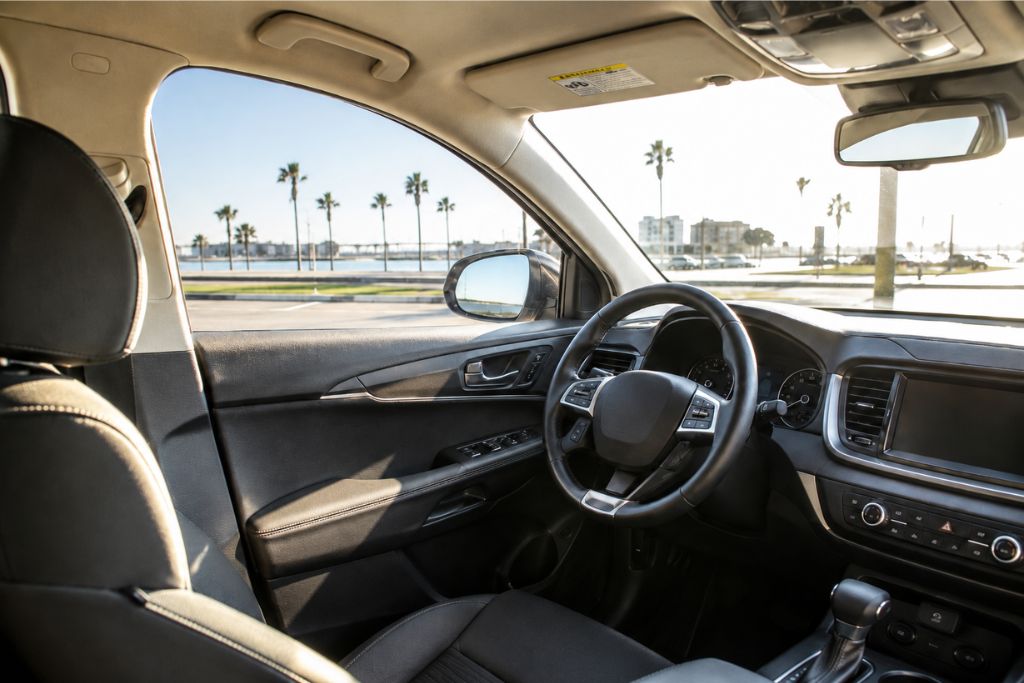
Drag the slider to compare the window before and after tint installation.
Shade alone never determines the result. Film construction, factory glass, window angle, vehicle size, weather, parking, installation, and the test method all affect performance. A light-looking premium film may outperform a darker entry-level film in documented solar tests.
Match Each Goal to the Right Measurement
Visible darkness is measured with visible light transmittance, or VLT: Visible Light Transmittance Measures how much visible light passes through the finished window. Lower percentages generally appear darker. . Overall solar performance is better compared with total solar energy rejected, or TSER: Total Solar Energy Rejected Measures the share of total solar energy rejected by the film-and-glass system under the stated test. . Infrared figures describe a narrower part of solar energy and must be compared only when the test method is the same. UV rejection is a separate measurement again. One number cannot answer every buying question.
Practical Limits and Tradeoffs
Darker glass can reduce visibility at night, in rain, or when backing into a poorly lit area. Legal limits also restrict what can be installed on certain windows. Even a high-performance film cannot stop heat from entering through the roof, body panels, open doors, or untreated glass. Product quality, glass condition, installation, curing, cleaning, and warranty coverage all affect long-term value.
Get professional window tint recommendations based on your vehicle, preferred shade, comfort goals, and South Texas driving conditions. Competition Sound can help you compare tint options before you schedule.
Product availability and installation options may vary by vehicle.
Start With Four Separate Decisions
A useful tint consultation should separate four decisions that are often blended together:
- Legal fit: What is allowed on this exact window and vehicle?
- Measured performance: What do the product data and test methods say about solar energy, infrared energy, UV, glare, and reflectance?
- Appearance and visibility: How dark or private should the vehicle look, and how usable will it remain after dark?
- Installation and support: What film is being installed, how will the vehicle be protected, and what written warranty and aftercare apply?
How to Read Window Tint Performance Numbers
Film labels can sound straightforward until several percentages appear on the same data sheet. The table below shows what each common metric actually tells you.
| Metric | Meaning | Plain-Language Use | Best Used For |
|---|---|---|---|
| VLT | Visible light transmittance | How much visible light passes through. Lower numbers generally look darker. | Shade, visibility, and legal fit |
| TSER | Total solar energy rejected | The share of total solar energy rejected by the film-and-glass system under the stated test. | Overall solar-performance comparison |
| SIRR / IRER | Infrared-rejection measurements | How a product performs across a stated infrared range and test method. | Product-specific infrared comparison |
| UV rejection | Ultraviolet light blocked | The percentage of UV radiation blocked within the stated wavelength range. | UV exposure and interior-material protection |
| VLR | Visible light reflectance | How much visible light is reflected by the glass-and-film system. | Appearance, mirror-like look, and legal limits |
VLT Explains Visible Darkness
A lower VLT number generally means a darker appearance. The legal measurement, however, is not always the number printed on the film box. Texas rules refer to the light transmission of the film in combination with the vehicle glass. Factory glass already absorbs or reflects some light, so the finished window should be checked as an installed system rather than judged from a nominal film label.
TSER, Infrared, UV, and Reflectance Measure Different Things
TSER is the broadest single performance number in this group because it accounts for the total solar-energy range under the stated method. Infrared figures can still be useful, but different wavelength ranges and calculations can produce numbers that should not be treated as interchangeable. UV rejection and visible reflectance answer other questions. Ask for the current data sheet and compare the same metric across the products you are considering.
Why Darker Tint Does Not Automatically Mean Cooler
Two films can have a similar visible shade and different solar performance because their materials and construction are different. The reverse is also true: a film that looks lighter may still reject a meaningful share of solar energy. Choose darkness for appearance, privacy, glare, and visibility; choose documented performance by reviewing TSER and the manufacturer’s product-specific infrared data.
Compare the Main Automotive Window Film Categories
Film categories are useful starting points, not a final ranking. Product specifications, optical quality, shade availability, warranty, installation, and price still need to be compared within each category.
| Film Category | Typical Reasons to Consider It | Questions to Verify |
|---|---|---|
| Basic or Non-Metal | Often lower entry cost, many shade choices, and many products are signal-friendly. | Actual solar data, color stability, optical clarity, and the written warranty term. |
| Metal-Hybrid | Can offer a useful balance of solar performance, color stability, and price. | Reflectance, appearance, exact construction, and vehicle-specific signal questions. |
| Ceramic | Non-metal construction, strong product-specific solar data, and signal-friendly positioning are common. | Not all ceramic films perform the same. Compare the data sheet, shade, optical quality, warranty, and installed price. |
Basic or Non-Metal Film
This category can make sense when budget and appearance are the main priorities. Do not stop at an entry-level package name. Check the exact film series, available shades, UV data, TSER, optical clarity, color-stability coverage, and written warranty.
Metal-Hybrid Film
A metal-hybrid film may provide a middle ground between price and measured performance. The tradeoffs depend on the exact product. Ask about visible reflectance, color, signal compatibility for the vehicle, and how the finished glass will look in daylight. Avoid broad claims that every metallic film causes interference or that none ever will.
Ceramic Film
Ceramic describes a construction category, not one universal level of heat rejection. Current Solar Gard literature, for example, lists product-specific VLT, TSER, infrared, reflectance, UV, and warranty information for each series and shade. Compare those figures directly. Competition Sound’s published lineup includes ceramic options, but current stock, package names, shade availability, and warranty terms should be confirmed before the job is approved.
Texas Window Tint Rules - The Basics by Window
Texas tint law is window-specific. The percentages apply to the finished glass-and-film combination, not just the film label. The summary below is for general orientation and is not legal advice; rules and interpretations can change, and a qualifying medical situation may follow a separate process.
| Window / Item | Current Texas Rule in Plain Language |
|---|---|
| Windshield | A strip may extend only to the AS-1 line or five inches from the top, whichever is closer to the top. The finished strip must transmit at least 25% of light, reflect no more than 25%, and may not be red, blue, or amber. |
| Front Side Windows | The finished glass-and-film combination must transmit at least 25% of light and have luminous reflectance of 25% or less. |
| Rear Side Windows | Texas law does not set a minimum light-transmission percentage for side windows behind the driver. |
| Rear Window | No minimum light transmission is required when the vehicle has both left and right outside mirrors providing the required rear view. Without both mirrors, the rear visibility area is subject to a 25% light-transmission rule under the administrative standard. |
| Label and Exceptions | A required compliance label must be installed between the film and glass. Medical provisions exist, but documentation and current DPS requirements should be verified before relying on them. |
Windshield and Front-Side Windows
The AS-1 rule means the legal windshield area is a top shade band, not a full dark windshield. Front-side windows are measured as the factory glass plus the added film. A film advertised as 25% may finish below 25% on some factory glass, which is why a calibrated meter and a window-specific recommendation matter.
Rear Windows, Mirrors, Labels, and Medical Provisions
Rear-side windows have more flexibility. Rear-window darkness depends on the outside-mirror setup. The installer also has a legal responsibility to place the required label. Texas ended the annual safety inspection requirement for most non-commercial vehicles in 2025, but that change did not repeal tint restrictions. Law enforcement can still enforce the equipment rules.
How to Choose Film and Shade for Your Real Goals
The best choice becomes clearer when the decision starts with the problem you want to solve. Use the matrix below to identify which measurements and tradeoffs deserve the most attention.
| Goal | What to Compare | Important Tradeoff |
|---|---|---|
| Reduce Solar Load | TSER first, then product-specific infrared data. | Vehicle glass, untreated areas, parking, and weather still affect cabin heat. |
| Reduce Glare | VLT, reflectance, and comfortable visibility. | Tint that is too dark can create a nighttime visibility tradeoff. |
| Add Privacy | VLT and the window location. | Front-window legal limits still apply. |
| Keep a Lighter Look | Higher VLT with documented TSER and UV data. | A lighter appearance does not mean zero solar performance. |
| Protect Signals | Exact film construction and the manufacturer compatibility statement. | Verify the exact product and the vehicle's electronics. |
| Stay Within Budget | Total installed value, warranty, and product data. | Cheap film can cost more if removal or replacement is needed. |
Heat, Sun, and Glare
For Corpus Christi driving, solar performance and visibility should be evaluated together. Open roads, bright pavement, and reflections near the coast can make glare tiring. A product with documented TSER and infrared performance may help, but the shade must still be comfortable for the driver in changing light and legal on that window.
Privacy, Appearance, and Night Visibility
A darker shade can create a sharper look and make the cabin less visible from outside. It can also make it harder to see pedestrians, curbs, bicycles, or unlit objects after dark. Drivers who spend a lot of time at night may prefer a lighter shade on front windows while using darker legal options behind the driver.
Signals, Budget, and Legal Fit
Consider two drivers choosing a similar-looking shade. One mainly wants daytime glare control and easy nighttime visibility. The other wants stronger documented solar performance and a non-metal, signal-friendly product. Shade alone cannot settle either decision. The first driver should focus on VLT and visibility; the second should compare construction, TSER, infrared data, and compatibility. Both still need the finished window checked against Texas rules.
What Professional Window Tint Installation Should Include
A good installation begins before film touches glass. The shop should confirm the vehicle, the windows being tinted, the exact film series and shade, the driver’s goals, and the legal limits that apply. The vehicle should be protected during preparation, and cutting, cleaning, edge placement, and contamination control should be handled carefully.
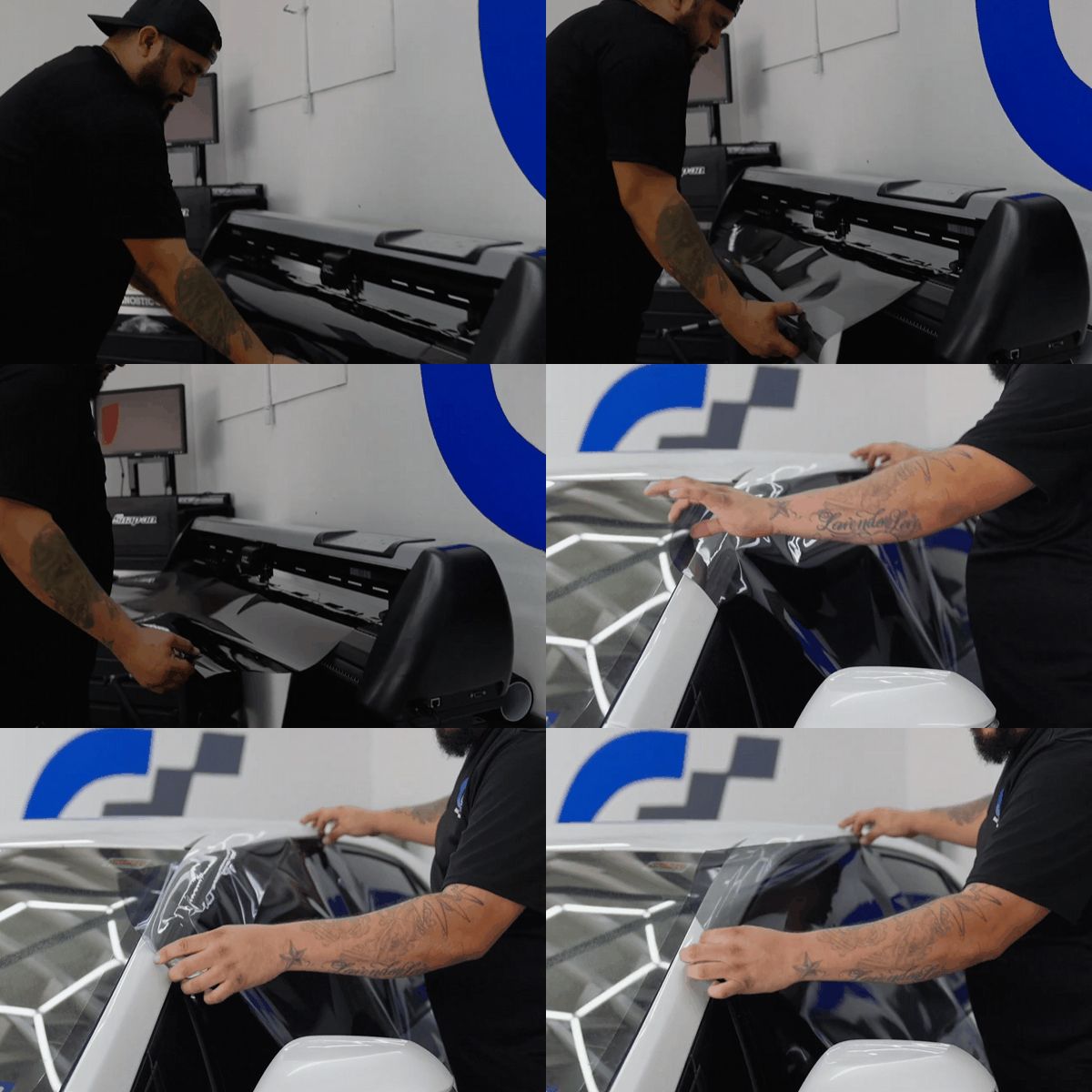
Competition Sound states that its tint team uses a computer-cut program for precision and cleaner fitment. Computer-cut patterns can reduce unnecessary hand cutting on the vehicle, but the final result still depends on preparation, glass condition, installer technique, and inspection before delivery.
Questions to Ask Before Approving the Job
- ✓ What exact manufacturer, film series, and shade will be installed on each window?
- ✓ What are the current VLT, TSER, infrared, UV, and reflectance figures for that specific shade?
- ✓ What should the finished glass-and-film VLT measure on the front windows?
- ✓ What written warranty covers the film, installation labor, transferability, registration, and exclusions?
- ✓ What curing, window-operation, and cleaning instructions apply to this exact film?
- ✓ How will dust, edges, bubbles, contamination, legal labels, and any existing film be handled?
What Affects Price, Installation Time, Warranty, and Aftercare?
Tint pricing usually changes with the vehicle, the number and shape of the windows, the film series, windshield or sunroof work, old-film removal, access difficulty, and the warranty included. A coupe, full-size SUV, pickup, and vehicle with complex quarter glass are not the same job. That is why a vehicle-specific quote is more useful than a broad online average.
Installation time also varies with glass condition, removal work, pattern complexity, and shop schedule. Avoid treating same-day service as a guarantee until the vehicle and job are reviewed.
Warranty language deserves close attention. Solar Gard’s current warranty table lists different terms by film series, including limited-lifetime coverage for several products and a five-year term for Solstice. Product coverage and the shop’s labor coverage may not be identical. Ask for the exact written warranty for the film being installed.
Aftercare should also be product-specific. The installer should tell you when the windows can be operated, how long visible moisture or haze may remain, which cleaners are safe, and what to do if an edge or defect appears. Without Competition Sound’s current written handout, a universal roll-down period should not be published or assumed.
A Simple Window Tint Decision Checklist
Check each step as you review your window tint options. Your selections will remain saved on this device.
Get a Vehicle-Specific Tint Recommendation in Corpus Christi
A useful recommendation should account for your vehicle, the windows you want tinted, your comfort and appearance goals, nighttime visibility, Texas legal fit, the exact film data, and the written warranty. That takes a short conversation, not a guess based on shade alone.
Talk with Competition Sound in Corpus Christi about the available film and shade options for your vehicle, or call (361) 561-0002 to request a vehicle-specific quote. Confirm current availability, warranty terms, and aftercare before scheduling.
Get professional window tint recommendations based on your vehicle, preferred shade, comfort goals, and South Texas driving conditions. Competition Sound can help you compare tint options before you schedule.
Product availability and installation options may vary by vehicle.
Frequently Asked Questions About Automotive Window Tint in Corpus Christi
What is the legal tint percentage for a passenger vehicle in Texas?
For the front side windows, the finished glass-and-film combination must transmit at least 25% of visible light and have luminous reflectance of 25% or less. Rear-side windows have no minimum VLT. Rear-window rules depend on whether the vehicle has both required outside mirrors. Always check the current official rules and measure the installed window.
Can the windshield be tinted in Texas?
Texas allows a top windshield shade band that does not extend below the AS-1 line or more than five inches from the top, whichever is closer to the top. The finished strip must meet the current transmission, reflectance, and color limits. A full dark windshield is not allowed under the standard passenger-vehicle rule.
Does darker window tint block more heat?
Not automatically. VLT mainly describes visible darkness. Compare TSER and product-specific infrared data to evaluate solar performance. Two films with a similar shade can perform differently because their materials and construction are different.
Does ceramic tint interfere with GPS, cellular, satellite radio, or TPMS signals?
Many non-metal ceramic films are marketed as signal-friendly, but compatibility is product-specific. Check the current manufacturer data for the exact film rather than assuming every product labeled ceramic has the same construction or performance.
How long should you wait before rolling down newly tinted windows?
Follow the installer’s written instructions for the exact film and current weather conditions. The safe window-operation period can vary, so this guide does not give one universal number. Ask for the instructions before leaving the shop and keep them with the warranty paperwork.
How long does automotive window tint last in South Texas?
There is no single lifespan for every film. Longevity depends on film quality, glass, installation, sun exposure, cleaning, damage, and warranty coverage. Compare the manufacturer’s current warranty and care instructions for the specific series being installed.
Competition Sound
Car stereo store in Corpus Christi, Texas
- Monday 9:00 AM–7:00 PM
- Tuesday 9:00 AM–7:00 PM
- Wednesday 9:00 AM–7:00 PM
- Thursday 9:00 AM–7:00 PM
- Friday 9:00 AM–7:00 PM
- Saturday 9:00 AM–7:00 PM
- Sunday 10:00 AM–6:00 PM